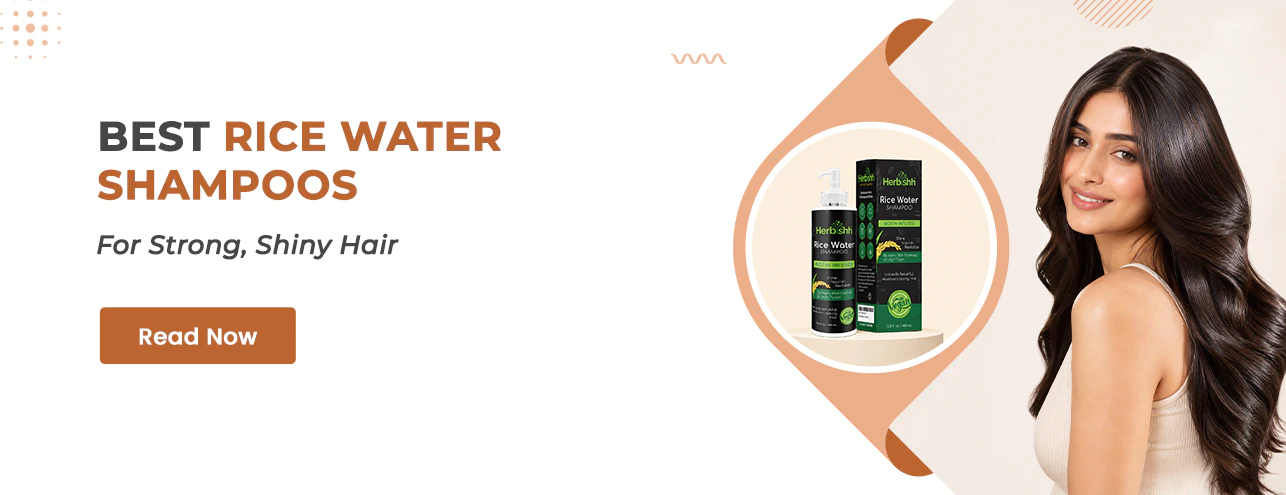
Hard water, humidity, and chemical processing frequently leave hair brittle, prone to severe breakage, and visibly thin. Traditional fermented rice water treatments offer a protein-rich solution, but DIY brews carry high risks of protein overload, unpleasant odours, and rapid bacterial spoilage. Formulated rice protein cleansers deliver the amino acids and inositol that reinforce the cuticle while maintaining a balanced pH level.
The best rice water shampoo strengthens brittle hair using hydrolysed rice protein, inositol, and essential amino acids. These targeted formulas repair the cuticle, reduce hair fall from breakage, and restore shine without disrupting the scalp’s natural balance. For optimal results in India, choose pH-balanced (5.0–5.5) sulfate-free formulas tailored to your specific hair porosity.
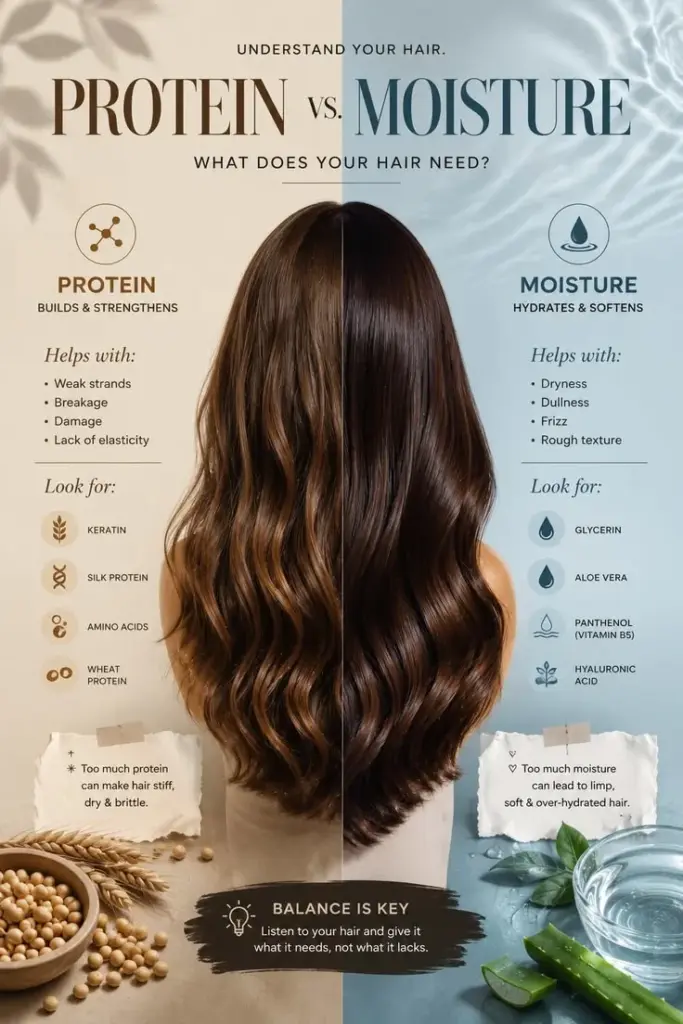
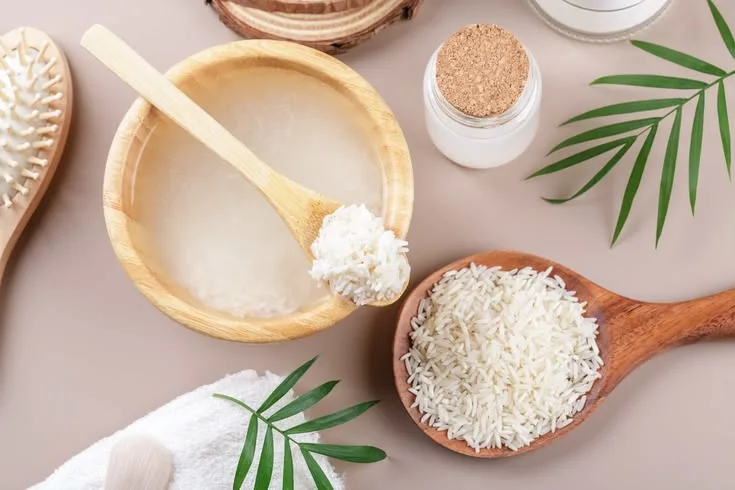
Selecting a rice water shampoo requires evaluating key biochemical parameters rather than relying on marketing claims. Rice water works primarily through inositol (a vitamin B derivative that penetrates damaged hair shafts to repair them from within) and hydrolysed rice protein.
Raw rice water molecules are often too large to penetrate low-porosity hair, resulting in surface buildup, stiff strands, and breakage. Look specifically for hydrolysed rice protein. Hydrolysis breaks the protein chains down into smaller amino acid sequences under 1000 Daltons, allowing them to bind to the hair shaft without causing stiffness.
Low Porosity Hair: Requires lightweight formulas with hydrolysed rice protein paired with high-clarity surfactants like Sodium Cocoyl Isethionate.
High Porosity Hair: Benefits from fermented rice water rich in lactic acid, combined with heavier emollient oils (like argan or jojoba) to lock in structural repairs.
Tap water across major metropolitan regions regularly registers high mineral counts (TDS exceeding 300 ppm). High TDS levels raise the scalp’s natural pH, lift the cuticle layer, and increase friction. A quality rice water shampoo must maintain an acidic pH between 5.0 and 5.5 to seal the cuticle against mineral deposit damage.
| Pick / Category | Key Features & Price Tier | Why This Pick / Differentiating Tradeoff |
| Kitsch Rice Water Shampoo Bar (Best Overall Eco Pick) | Price Tier: Mid-RangeKey Specs: Concentrated solid bar, zero plastic, amino-acid rich, sulfate-free. | Eliminates plastic waste and harsh liquid preservatives. Offers concentrated rice protein for high-porosity hair, though it requires a dry storage dish in humid bathrooms. |
| Mielle Rice Water Hydrating Shampoo (Best Budget & Scalp Health) | Price Tier: BudgetKey Specs: Rice bran water, yuzu extract, hydrolysed oat protein, 236ml (8 fl oz) volume. | Excellent value for strands needing both protein and citrus-derived cleansing. Can feel slightly heavy if used daily on extremely fine, oily scalps. |
Finding niche, highly concentrated rice protein formulas locally can be challenging due to limited regional distribution or market counterfeits. Cross-border platforms bridge this gap by bringing authentic international formulations straight to your door.
When ordering imported hair care:
Verify Formulations: Ensure product labels explicitly list Oryza Sativa (Rice) Water or Hydrolyzed Rice Protein in the top five ingredients, rather than synthetic fragrance additives.
Track Import Shipping Direct: You can easily explore Hair Shampoos on Ubuy or shop specialized Hair & Scalp Treatments directly sourced from US and European warehouses to ensure freshness and authenticity.
Pair Correctly: Complement your wash routine with lightweight hydration by exploring Hair Conditioners or deep-conditioning Hair Masks formulated with low-molecular-weight plant oils.
Check the Surfactant System: Choose Cocamidopropyl Betaine or Sodium Cocoyl Isethionate over Sodium Lauryl Sulfate (SLS) to prevent stripping natural lipids.
Monitor Protein Load: Limit pure rice water shampoo usage to 2–3 times per week. Alternate with a purely hydrating wash to maintain flexibility.
Address Hard Water: If your household water TDS exceeds 250 ppm, pre-rinse strands or pair your rice water cleanser with an occasional clarifying wash.
Track Wash Time: Allow the lather to sit on the scalp and lengths for full 120 to 180 seconds so the inositol can properly bind to damaged cuticles before rinsing.
Verify Net Volume/Concentration: A standard 250ml to 350ml bottle should last 6–8 weeks when using a dime-sized amount (approx. 5ml) per wash session.
When to see a dermatologist instead. A shampoo addresses the hair you already have, not the follicle. If you are losing hair from the scalp rather than snapping it mid-shaft, if shedding is sudden or patchy, or if dandruff persists through several weeks of a medicated wash, that is a clinical question rather than a product one. Ketoconazole and zinc pyrithione formulations and any treatment for pattern hair loss should be used on professional advice, not selected from a buying guide.
It is a cleanser containing rice grain extract, fermented rice water or hydrolysed rice protein. The active ingredients are amino acids and inositol, which adsorb to the hair shaft, reinforce the cuticle, improve elasticity and shine, and make strands more resistant to daily handling. Look for Oryza Sativa (Rice) Water or Hydrolysed Rice Protein in the top five ingredients, not lower down the list.
It helps with hair fall caused by breakage, not with hair loss at the follicle. Reinforcing the outer layers of damaged or fine strands reduces mid-shaft snapping, so you keep more of the length you grow — which is what makes hair look thicker over time. It does not increase how much hair grows. Sudden, patchy or scalp-level shedding is a question for a dermatologist.
For high-porosity hair, usually. Fermentation lowers the pH toward the scalp’s natural range of roughly 4.5–5.5 and produces lactic acid, which helps smooth the cuticle. For low-porosity or fine hair, the opposite holds — fermented formulas can sit heavy, and a lightweight hydrolysed protein formula is the safer choice.
Hydrolysis cuts the protein chains small enough to bind to the hair shaft instead of sitting on the surface. [VERIFY: the commonly cited penetration threshold of under 1000 Daltons — add a citation.] Raw rice water proteins are often too large, which is why DIY rinses can leave low-porosity hair stiff and coated rather than stronger.
It can calm mild irritation when the formula includes balancing agents such as yuzu, tea tree or lactic acid. It is not antifungal. Dandruff driven by Malassezia needs ketoconazole or zinc pyrithione, and persistent dandruff should be assessed by a dermatologist rather than managed from a buying guide.
Two to three times a week for medium- to high-porosity hair, once a week or alternated with a moisture-focused wash for low-porosity or very fine hair. Overuse causes protein overload, which leaves strands stiff and brittle — the opposite of the intended effect. If hair starts feeling straw-like, reduce frequency before changing product.
Yes, and in India this matters more than the product choice. Tap water in many metropolitan areas runs above 300 ppm TDS, and high mineral content raises scalp pH and lifts the cuticle. A shampoo with a pH between 5.0 and 5.5 counteracts that. Above roughly 250 ppm, add an occasional clarifying wash to remove mineral deposits. [DATA NEEDED: a citable source for typical TDS ranges by Indian city.
Concentrated rice protein formulas have limited local distribution and the category attracts counterfeits, so most buyers order internationally. Ubuy ships authentic hair care from international stores to more than 180 countries, with express delivery typically arriving in 3–6 business days and a money-back guarantee. Check the INCI list on the listing before ordering — rice should appear in the top five ingredients.

Ubuy content team consist of various writers specializing in different niches. They write blogs about different topics ranging from science, human relationships to the latest technology to share their thoughts, ideas and knowledge with the world.

Get every Newsletter